 Image 1 of 3
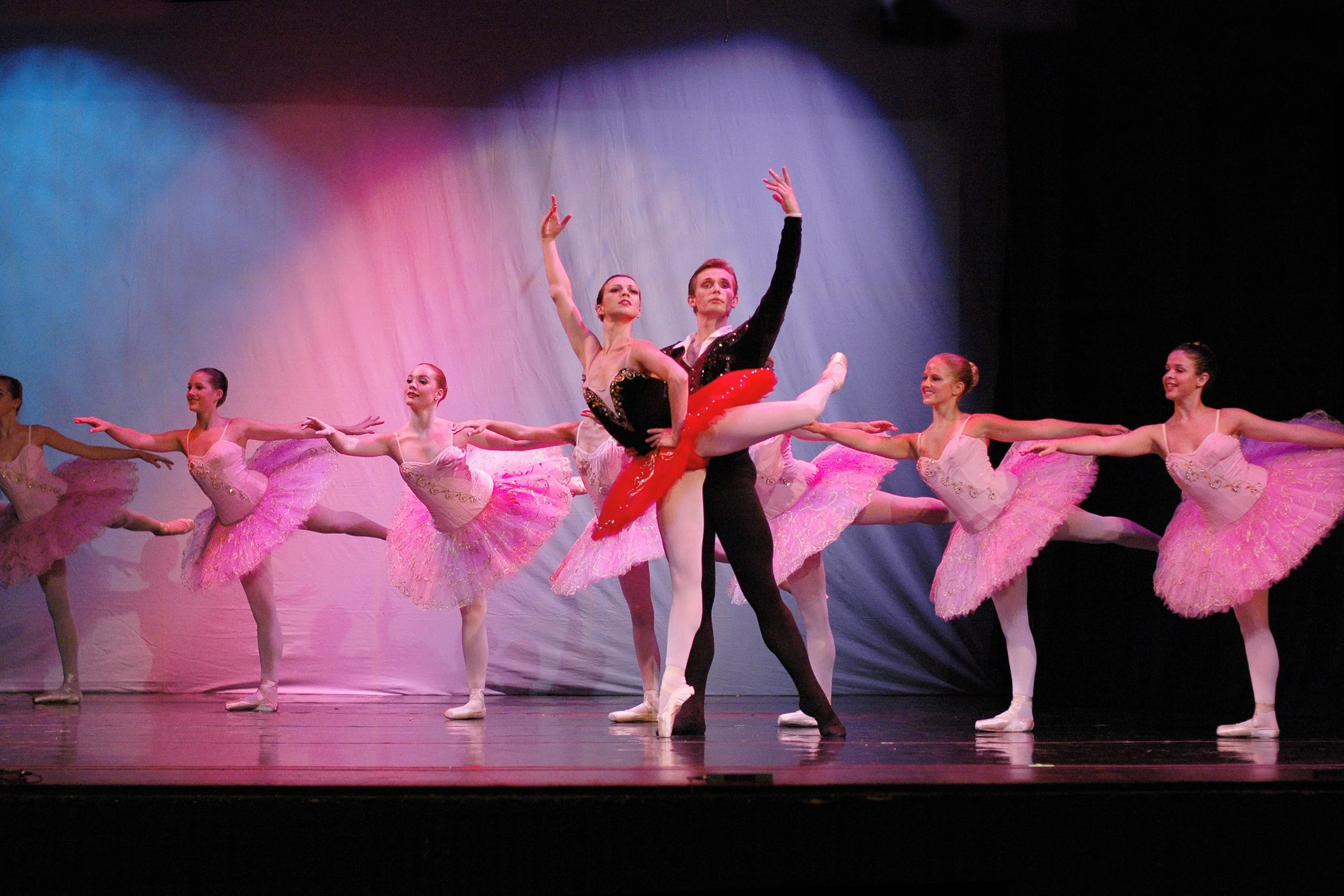 Image 2 of 3
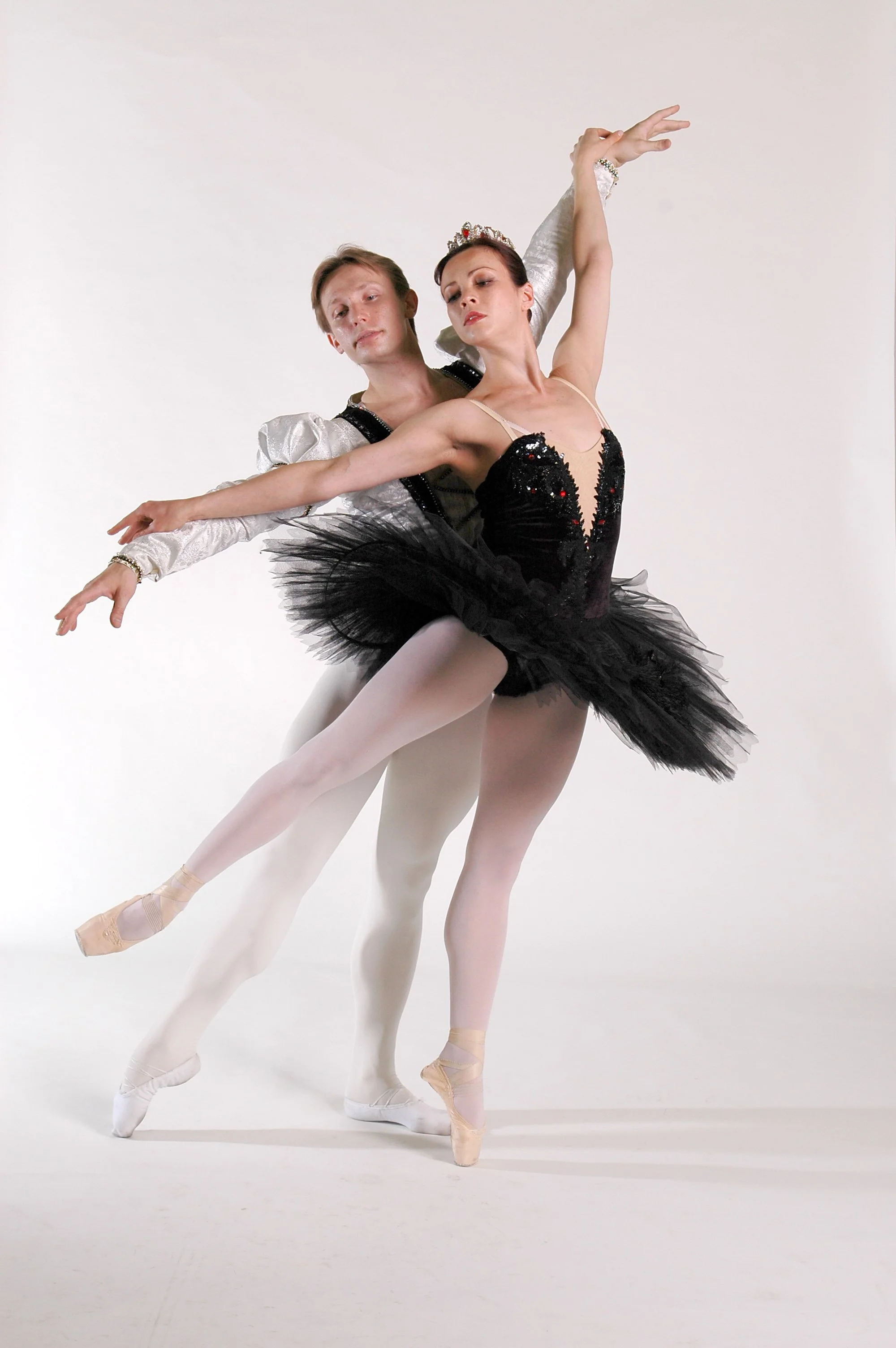 Image 3 of 3
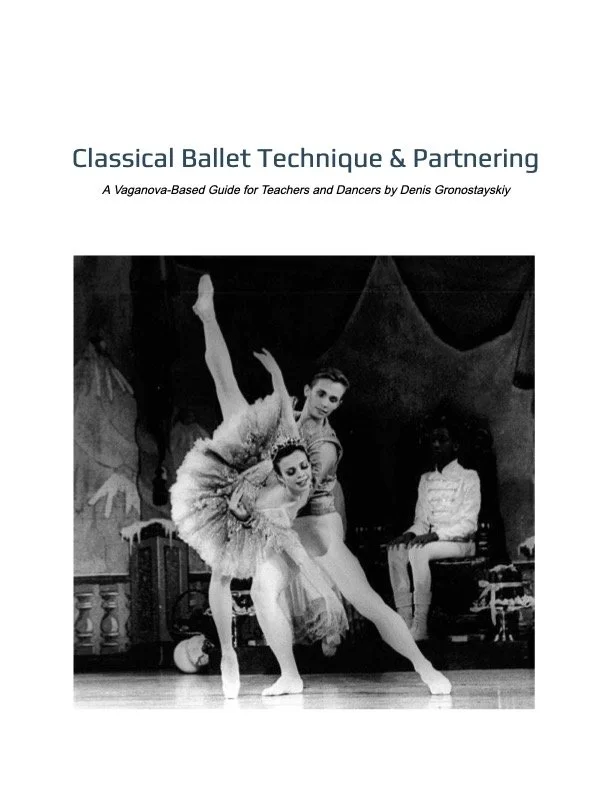
Partnering in ballet is an art of trust, precision, and harmony. It is the moment when two dancers move as one body—balancing strength and delicacy, power and elegance. Though audiences see beauty and ease, partnering is a craft built on technical discipline, communication, and shared responsibility.
For many dancers, pas de deux training is one of the most transformative aspects of their development. It requires students to apply their technique in new ways, to listen with their bodies, and to become aware of subtle physical cues that shape timing and coordination. For teachers, partnering represents one of the most critical and sensitive components of a curriculum, where safety, respect, and excellence must all be upheld.
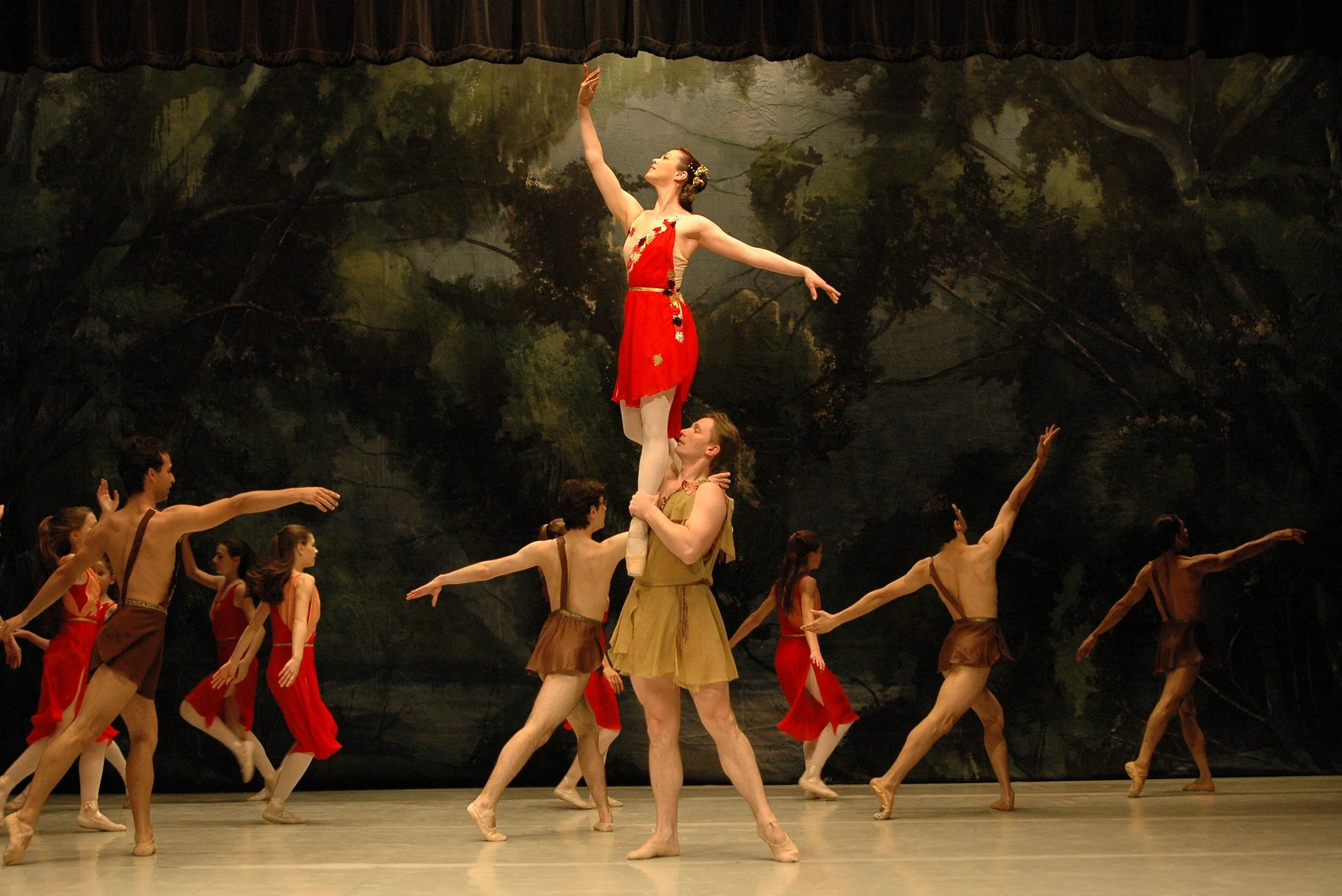
This book is designed to guide dancers, teachers, and directors through the full spectrum of partnering— from the first supported arabesque in a classroom setting to the mastery required for iconic classical lifts. Drawing inspiration from the Vaganova methodology while remaining applicable to all classical systems, the following chapters offer technical clarity, pedagogical structure, and practical wisdom from professional practice.
Partnering is not simply the male dancer lifting the ballerina. It is a symbiotic relationship. Two artists work with each other, not against gravity or force, but with shared timing, shared goals, and shared artistry. When done well, partnering is a conversation.
Partnering in ballet is an art of trust, precision, and harmony. It is the moment when two dancers move as one body—balancing strength and delicacy, power and elegance. Though audiences see beauty and ease, partnering is a craft built on technical discipline, communication, and shared responsibility.
For many dancers, pas de deux training is one of the most transformative aspects of their development. It requires students to apply their technique in new ways, to listen with their bodies, and to become aware of subtle physical cues that shape timing and coordination. For teachers, partnering represents one of the most critical and sensitive components of a curriculum, where safety, respect, and excellence must all be upheld.
This book is designed to guide dancers, teachers, and directors through the full spectrum of partnering— from the first supported arabesque in a classroom setting to the mastery required for iconic classical lifts. Drawing inspiration from the Vaganova methodology while remaining applicable to all classical systems, the following chapters offer technical clarity, pedagogical structure, and practical wisdom from professional practice.
Partnering is not simply the male dancer lifting the ballerina. It is a symbiotic relationship. Two artists work with each other, not against gravity or force, but with shared timing, shared goals, and shared artistry. When done well, partnering is a conversation.