 Image 1 of 1
This syllabus was created by Denis Gronostayskiy and is rooted in the principles of the Vaganova Method.
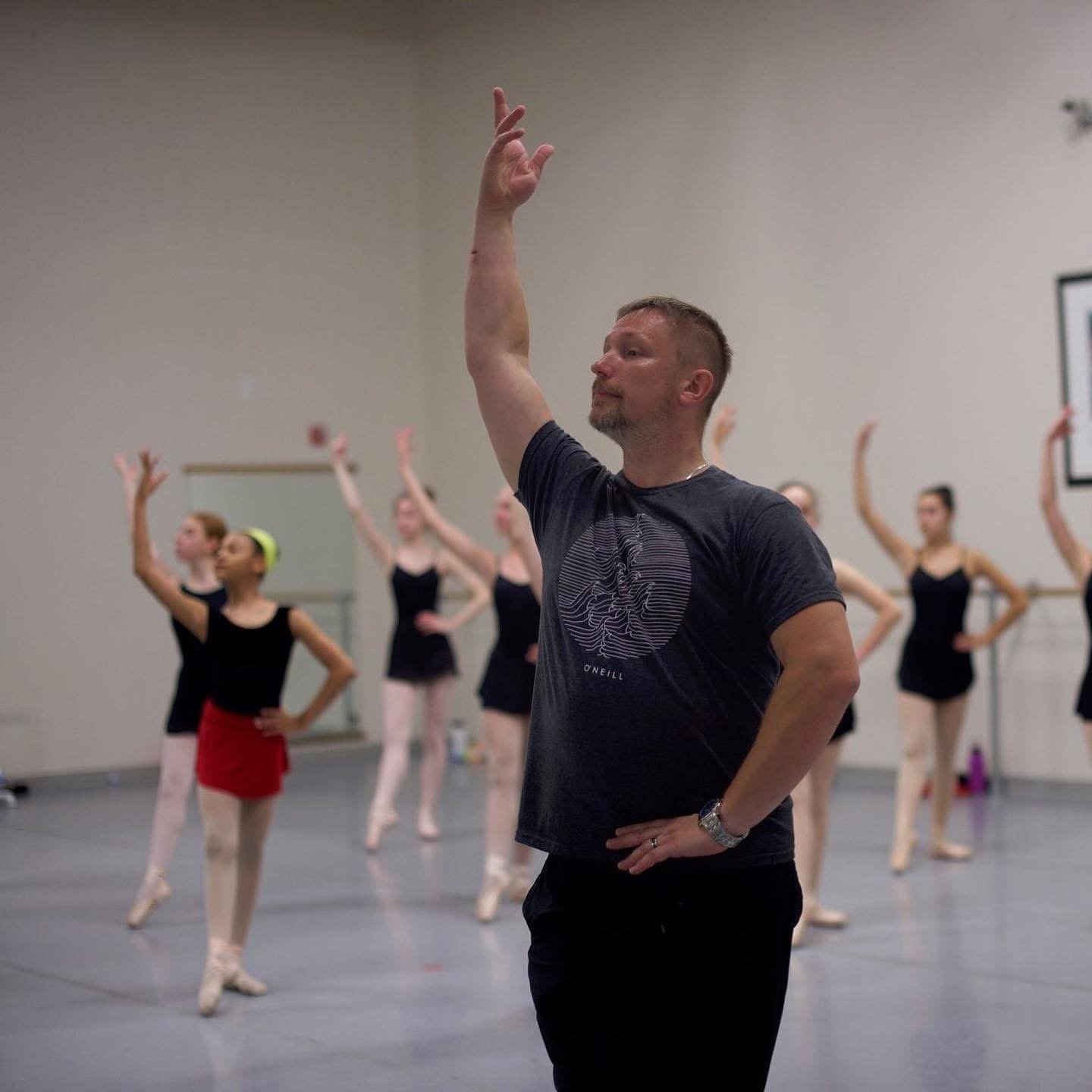
When I was appointed Principal of the Philadelphia Ballet School (then Pennsylvania Ballet School), the institution undertook a significant pedagogical transition—from a predominantly Balanchine-based approach to a more classical, structurally grounded system of training. In response to this shift, I designed and implemented a new curriculum that aligned with classical methodology while remaining practical for an American school environment.
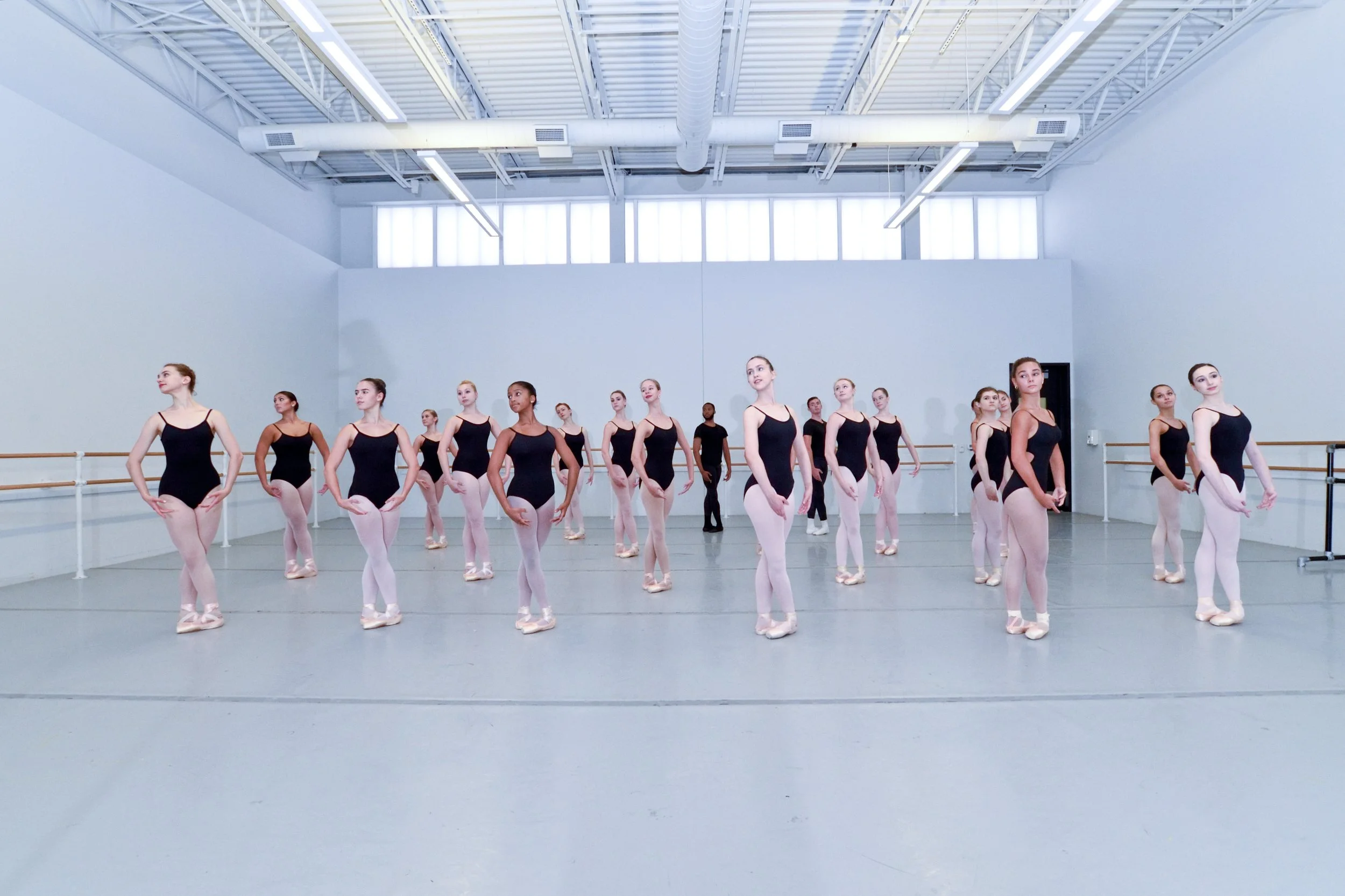
The program was applied across all levels of the school and quickly proved its effectiveness. It brought clarity, continuity, and purpose to daily training, strengthened technical foundations, and created a cohesive progression from beginner to pre-professional levels. Most importantly, it gave both teachers and students a shared language and structure—transforming the classroom into a unified, intentional learning environment.
This syllabus was created by Denis Gronostayskiy and is rooted in the principles of the Vaganova Method.
When I was appointed Principal of the Philadelphia Ballet School (then Pennsylvania Ballet School), the institution undertook a significant pedagogical transition—from a predominantly Balanchine-based approach to a more classical, structurally grounded system of training. In response to this shift, I designed and implemented a new curriculum that aligned with classical methodology while remaining practical for an American school environment.
The program was applied across all levels of the school and quickly proved its effectiveness. It brought clarity, continuity, and purpose to daily training, strengthened technical foundations, and created a cohesive progression from beginner to pre-professional levels. Most importantly, it gave both teachers and students a shared language and structure—transforming the classroom into a unified, intentional learning environment.