 Image 1 of 3
 Image 2 of 3
 Image 3 of 3
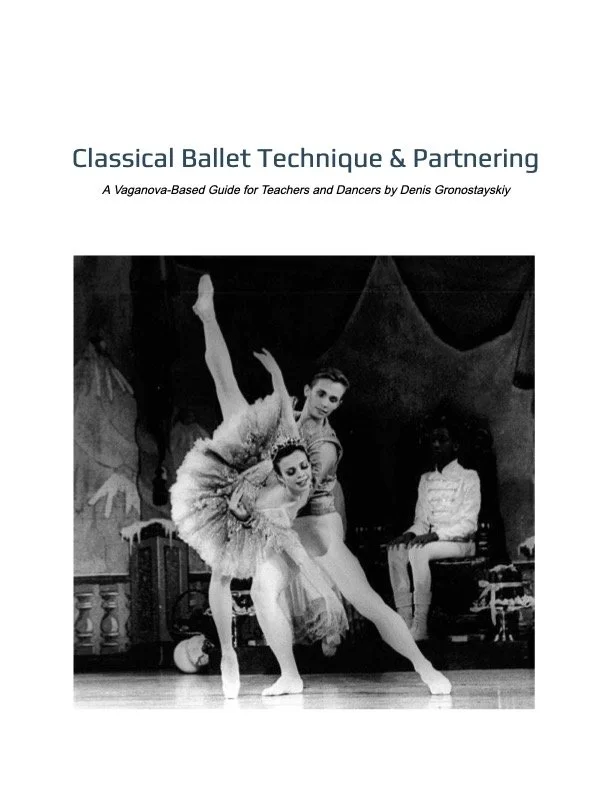
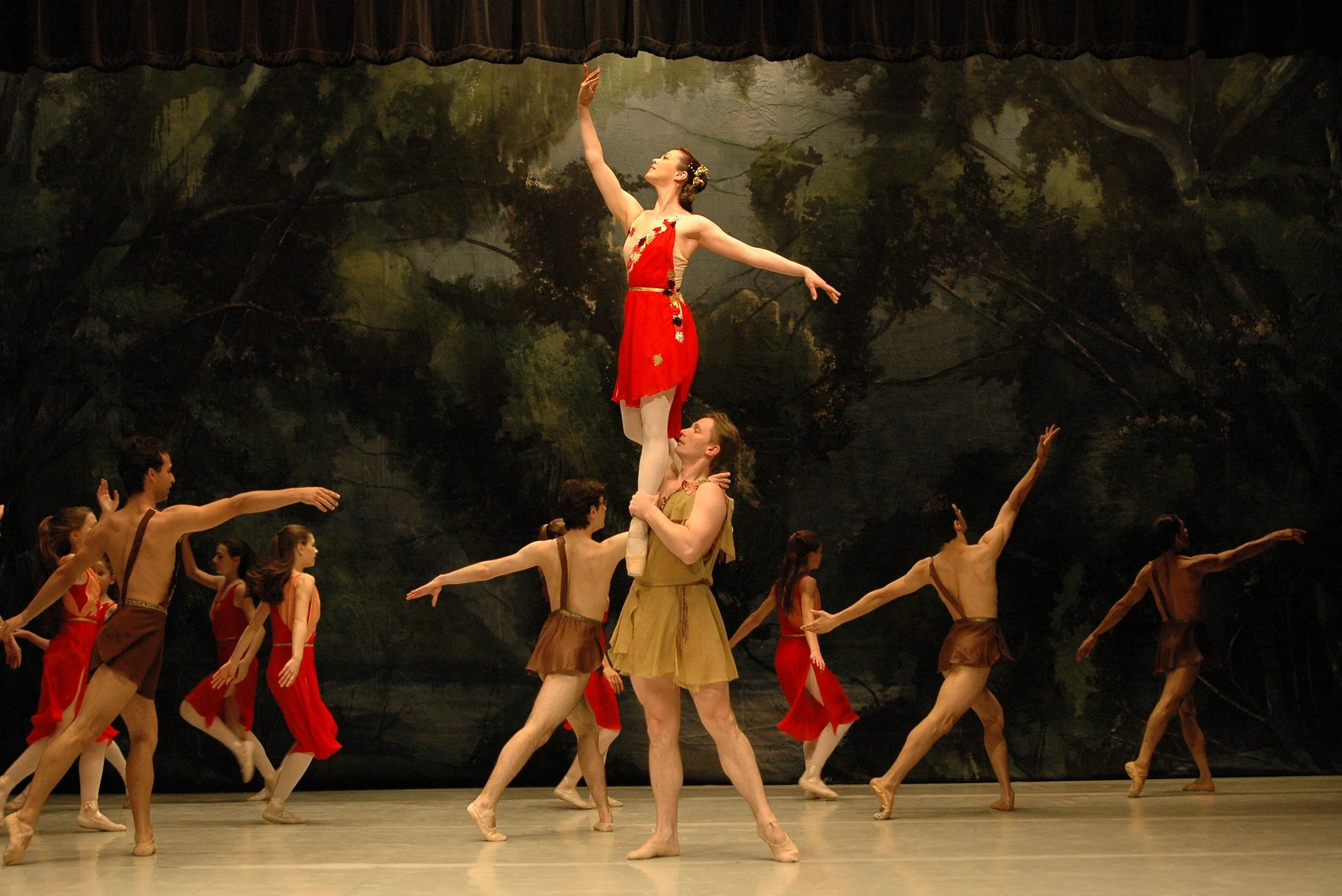
The dance world is often difficult to understand for those who have never experienced it firsthand. Its demands, discipline, and long-term commitment are unlike any other field. This book offers a clear and compassionate guide to that world, providing families and educators with a deeper understanding of what professional ballet training truly involves.
Each section reveals a different layer of the dancer’s journey:
Part I: Foundations of Technique
Explains how classical movement is built, why details matter, and how correct training shapes both the body and the mind.
Part II: Structuring the Classroom
Demystifies the daily ballet class-how levels are organized, how progress is measured, and why structure is essential for growth.
Part III: The Human Side
Explores motivation, resilience, emotional development, and the inner life of young dancers.
Part IV: Health and Lifestyle Guidance
Addresses sleep, nutrition, scheduling, and the realities of balancing school, training, and life.
Part V: Injury and Health Management
Separates myth from fact, teaching parents how injuries happen, how they are treated, and how they can be prevented.
Part VI: Career Development
Clarifies pathways, auditions, competitions, and the many professional futures available in dance.
Part VII: Teaching and Mentorship
Examines the roles of teachers, directors, and parents in shaping not only dancers, but human beings.
Together, these sections offer a transparent, honest, and humane portrait of ballet training-one that replaces mystery with understanding and anxiety with informed support.
The dance world is often difficult to understand for those who have never experienced it firsthand. Its demands, discipline, and long-term commitment are unlike any other field. This book offers a clear and compassionate guide to that world, providing families and educators with a deeper understanding of what professional ballet training truly involves.
Each section reveals a different layer of the dancer’s journey:
Part I: Foundations of Technique
Explains how classical movement is built, why details matter, and how correct training shapes both the body and the mind.
Part II: Structuring the Classroom
Demystifies the daily ballet class-how levels are organized, how progress is measured, and why structure is essential for growth.
Part III: The Human Side
Explores motivation, resilience, emotional development, and the inner life of young dancers.
Part IV: Health and Lifestyle Guidance
Addresses sleep, nutrition, scheduling, and the realities of balancing school, training, and life.
Part V: Injury and Health Management
Separates myth from fact, teaching parents how injuries happen, how they are treated, and how they can be prevented.
Part VI: Career Development
Clarifies pathways, auditions, competitions, and the many professional futures available in dance.
Part VII: Teaching and Mentorship
Examines the roles of teachers, directors, and parents in shaping not only dancers, but human beings.
Together, these sections offer a transparent, honest, and humane portrait of ballet training-one that replaces mystery with understanding and anxiety with informed support.